August 11, 2026
Maintaining a smoothly operating plumbing system is an essential part of homeownership, yet many people overlook the complex network of pipes hidden behind their walls. You might go about your daily routine washing dishes and taking showers without considering where that wastewater goes. However, when the system starts to struggle, it can cause significant stress and disrupt your household routine. Homeowners often ignore minor inconveniences, hoping the issue resolves itself. Unfortunately, plumbing issues rarely fix themselves and usually worsen when left unaddressed. Being proactive and scheduling a professional drain cleaning can prevent a minor annoyance from escalating into a catastrophic disaster.
1. Experiencing Slow Emptying Fixtures
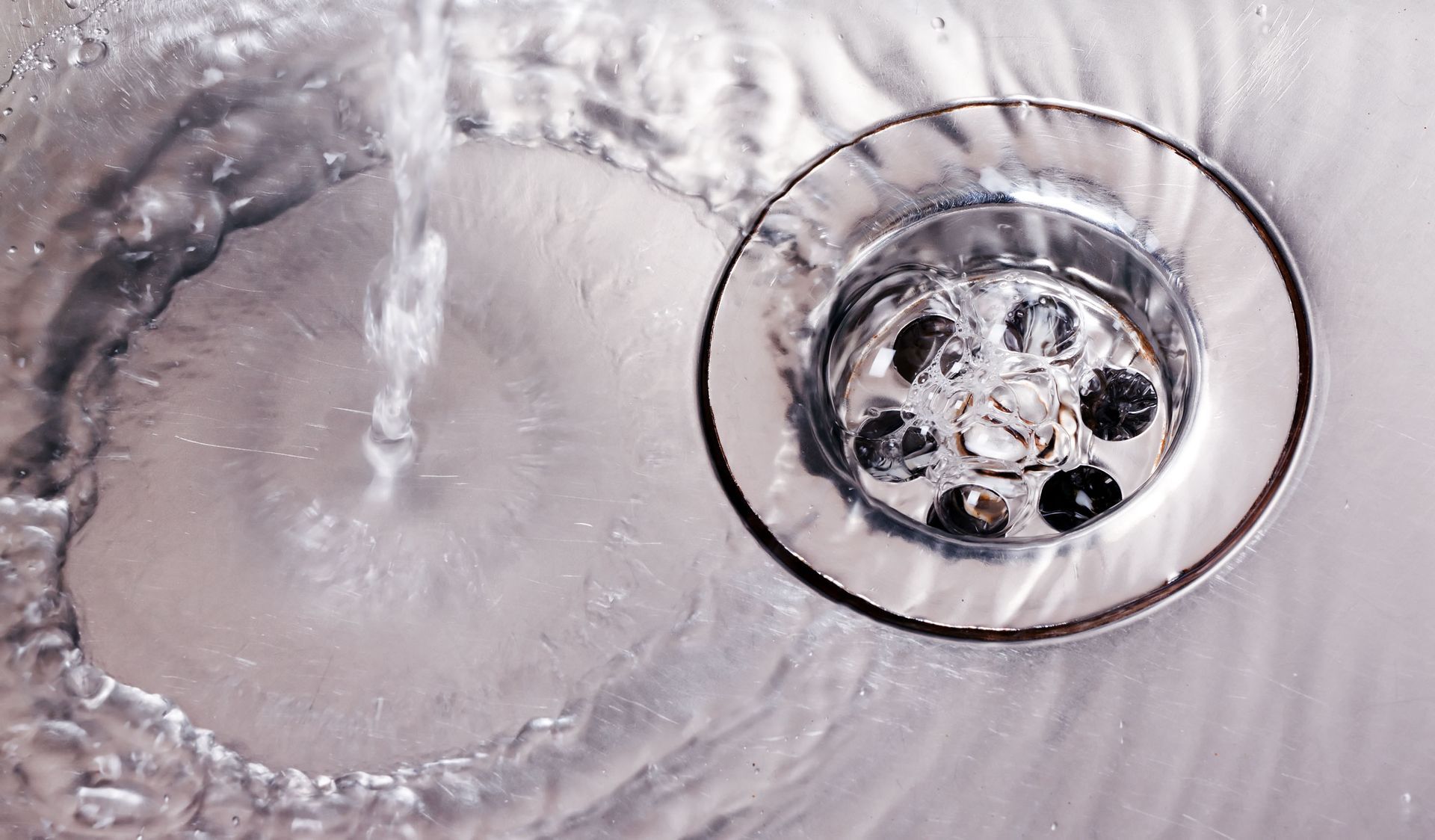
A common indicator of a plumbing problem is when water takes an unusually long time to disappear. You might notice water pooling around your ankles during a shower or observe soapy residue lingering in the kitchen sink. This sluggish behavior happens because a partial obstruction restricts the flow of wastewater. Over time, materials like hair, soap scum, grease, and food particles accumulate along the inner walls of your plumbing lines. This sticky residue creates a bottleneck that narrows the passageway for water. While a sluggish sink might seem like a minor nuisance, it is often the precursor to a complete blockage.
2. Smelling Unpleasant Sewage Odors
A foul stench emanating from your sinks or bathtubs is a clear sign that something is wrong deep within your pipes. When organic matter like food scraps, grease, and hair becomes trapped in a clog, it begins to decompose. This decomposition process releases noxious gases that drift back up into your living spaces. You might notice a subtle, musty smell initially, which eventually intensifies into a pungent sewage odor that permeates your entire home. Lighting candles and spraying air fresheners will only mask the stench temporarily because the root cause remains trapped in your plumbing. To truly eliminate the terrible smell, the decaying debris must be physically removed from the system. According to HomeGuide, experts advise scheduling a professional drain cleaning every one to two years. Following this guidance helps clear out the rotting organic material before it generates foul smells.
3. Hearing Unusual Gurgling Sounds
Your plumbing system should operate quietly, with water flowing smoothly and silently away from your fixtures. If you hear strange bubbling or glugging noises when you empty a basin, you are receiving an auditory warning of an impending clog. These strange sounds occur when air gets trapped behind a developing obstruction in the pipes. As water attempts to push past the blockage, it displaces the trapped air, forcing it to bubble up through the nearest opening. This creates a distinct gurgling sound that indicates your system is struggling to vent properly. Sometimes, using a fixture in a completely different room can trigger these noises, highlighting the interconnected nature of your household plumbing network. Ignoring these auditory clues is a risky decision because the trapped air signifies a severe restriction in wastewater flow. Addressing the strange noises quickly with drain cleaning prevents the obstruction from solidifying completely.
4. Encountering Frequent Water Backups
Watching murky, dirty water rise back up into your sink or bathtub is an alarming experience that demands immediate attention. A backup happens when wastewater has nowhere else to go due to a severe obstruction blocking its path to the main sewer line. Because all the pipes in your home are connected, a blockage in the main line can cause a flushing toilet to push water into the shower pan. These backups are incredibly unsanitary, bringing harmful bacteria directly into your bathing and food preparation areas. Cleaning up after a sewage backup is a terrible chore and poses health risks to your family. When wastewater starts traveling in the wrong direction, it is time to seek professional drain cleaning immediately. Specialized technicians possess the necessary equipment to locate the deep-seated blockage and clear the main line completely, restoring the proper downward flow of wastewater.
5. Dealing With Persistent Fruit Flies
An unexpected infestation of tiny flying insects hovering around your kitchen sinks is a surprisingly accurate indicator of plumbing trouble. Fruit flies, also known as sewer gnats, are highly attracted to the decaying organic matter that accumulates inside dirty pipes. These pests thrive in damp environments and lay their eggs in the slimy layer of grime coating the interior walls of your plumbing. If you constantly swat away these bugs despite keeping your countertops spotless, the breeding ground is likely hidden deep inside the plumbing. Pouring bleach down the basin rarely solves the infestation because liquids cannot effectively scrub away the thick layer of organic sludge where the larvae live. Eradicating the bugs requires removing their food source entirely. A comprehensive drain cleaning is the most effective method for stripping away the sludge, eliminating the fly infestation at its source, and returning your kitchen to a sanitary state.
6. Facing Multiple Blocked Locations
An isolated clogged fixture is frustrating, but dealing with multiple blocked basins simultaneously points to a much larger structural issue within your plumbing network. When the kitchen sink, bathroom vanity, and master shower all refuse to empty at the exact same time, the obstruction is located deep within the main sewer line rather than a localized branch pipe. Every individual pipe in your house eventually feeds into a central line that carries waste away from the property. When this central artery becomes obstructed by tree roots or massive grease accumulations, the backup affects every connected fixture in the residence. Attempting to plunge each basin will prove completely ineffective because the root of the problem is situated far beyond the reach of household tools. Addressing a mainline blockage requires heavy-duty machinery. Scheduling a specialized drain cleaning is the only reliable way to break apart massive obstructions.
7. Noticing Stubborn Standing Water
The final obvious warning sign of a severe plumbing failure is encountering stagnant water that refuses to recede. When a sink or bathtub fills with water and remains completely motionless for hours, the pipe is entirely blocked, leaving no gap for liquid to escape. This standing water renders the fixture completely useless and creates a breeding ground for bacteria and mold. Many frustrated homeowners resort to pouring harsh chemical solutions into the stagnant pool, hoping to dissolve the massive clog. Unfortunately, these corrosive chemicals are rarely effective against compacted blockages and often sit directly on top of the obstruction. The corrosive nature of these liquids can eat away at your pipes, causing permanent damage. Instead of risking damage to your pipes with harsh chemicals, rely on safe mechanical extraction methods. A professional drain cleaning utilizes specialized augers to safely obliterate the most stubborn blockages.
Ignoring the warning signs of a failing plumbing system will only lead to massive frustration and significant property damage. From sluggish basins and strange gurgling noises to foul odors and standing water, your home provides numerous indicators when the pipes need professional attention. Taking proactive measures to address these symptoms ensures your household remains sanitary and functional. Keeping the wastewater flowing smoothly away from your property protects your flooring, cabinetry, and daily routine from unexpected disruptions. Do not wait until a minor clog escalates into a complete sewage backup that ruins your weekend. Taking action at the earliest sign of trouble is the smartest approach for any property owner. If you are ready to address these plumbing issues and restore your peace of mind, contact us at Quality Pro Services LLC today. We will help you schedule a thorough drain cleaning and get your home back to normal.